

#58: Indonesia Tells Us To Stay Resilient. But At What Cost?
As Indonesia faces economic uncertainty, one young Indonesian reflects on how the crisis is quietly reshaping work, well-being, and hope for the future.

Welcome to SEAmplified’s newsletter—where we share inspiring stories for you to rethink the grind & discover your why in Southeast Asia!
Reading time: 7 minutes
💼 Redefining Work

Exploring how Southeast Asian youths are rethinking success and hustles.
Recently, each day feels heavier than it should as I scroll through social media on my phone. It’s filled with disheartening news, from the weakening Indonesian currency to rising fuel prices, a tougher job market, and students protesting on the streets.
For many of us, this is not just a simple economic slump. It’s the setting of our daily lives, where we carry a quiet weight into every decision.
The endgame might seem far and out of reach at the moment.
But what does this crisis actually mean for young Indonesians like myself, who are still trying to find our footing, build our futures, and hold on to some sense of hope?
The Struggles
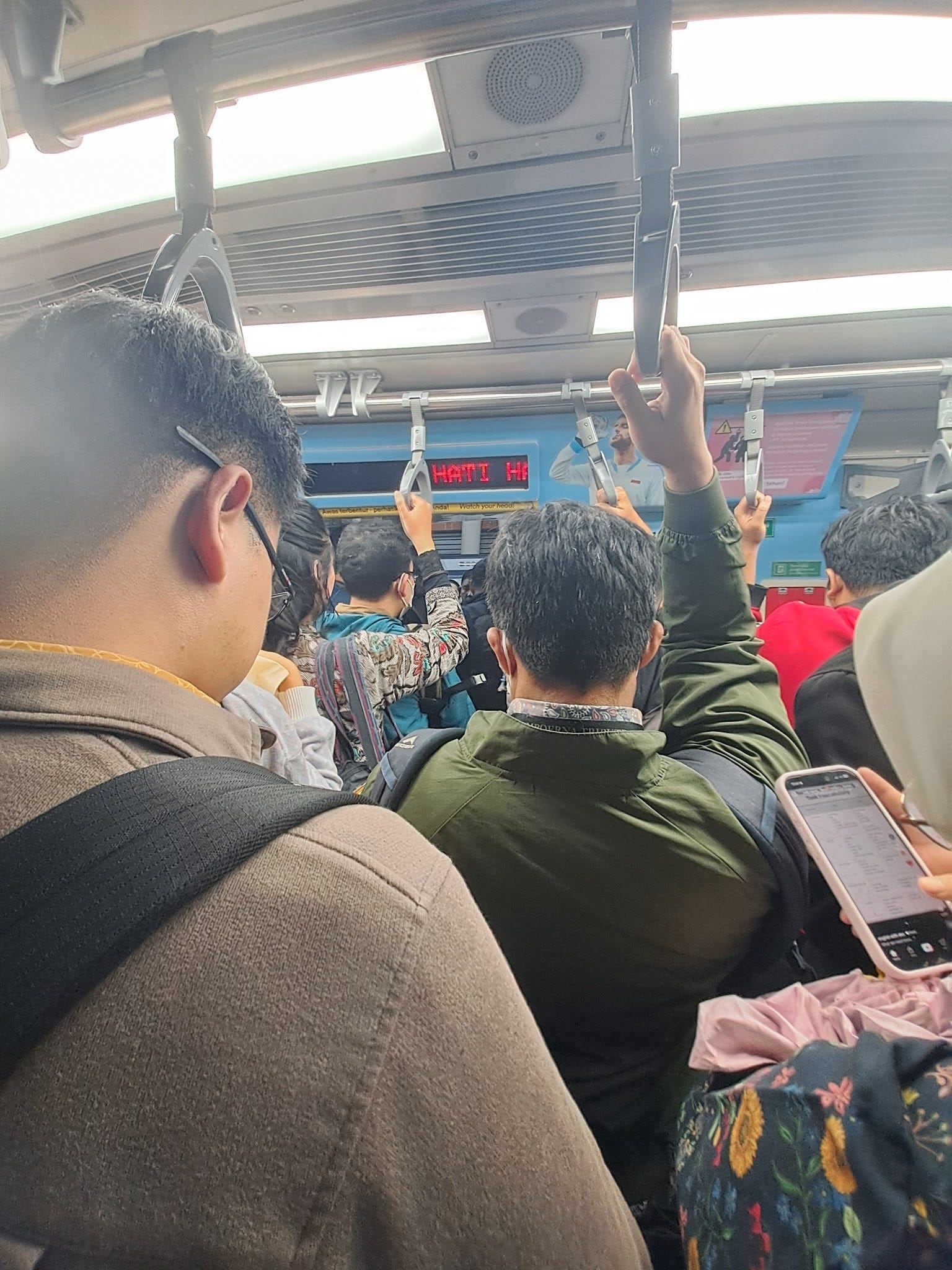
When the decline of the rupiah made the news, I felt a hopeless kind of devastation—one that doesn’t announce itself loudly, but settles and burrows deep somewhere in my chest.
It wasn’t just a number. It felt like the expected yet often ignored signal that the air around us was shifting.
I started noticing the shift in smaller ways too. An Indonesian mother shared that Rp 50,000 (US$2.77) has now become the bare minimum to provide basic ingredients, with no room left for other nutritious food like fish or meat.
It reminded me of my own grocery runs, and how my parents and I would recalculate over and over again before checking out at the cashier.
The job market has felt equally suffocating. I’ve seen LinkedIn posts of friends and acquaintances post about their unemployment status and desire for a new job going on for months without progress.
A report from Statistics Indonesia revealed that Indonesia has the highest rate of NEET in Southeast Asia, meaning more young people are outside of employment, education, or training altogether.
It’s not hard to understand why. There has been a longstanding skills mismatch between graduates and what industries actually need, which is compounded by slow formal sector growth and the rapid rise of AI and automation.
That said, active employees like myself don’t feel secure due to wage stagnation and rising market prices.
Although minimum wages across Indonesia increased by 6% earlier this year, from Rp 3,315,762 (US$183.39) per month in 2025 to Rp 3,508,467 (US$194) in 2026, a dilemma remains.
Many of us are quietly doing the math every month, choosing between saving for future needs or spending for daily needs.
As a result, some have decided to take on additional gig work, such as online taxi drivers, freelancers, content creators, and small business owners, just to get by in this struggling economy.
Underneath all of this, a question keeps revolving within my mind: If we are unable to secure jobs and fixed income today, how are we going to own a house someday?
For many millennials and Gen Z Indonesians, homeownership has shifted from an achievable goal to an impossible dream. Given the difficulty in gaining employment security, most of us are afraid to take on long-term financial obligations when buying a home.
The economic pressures we’re living through aren’t just disturbing. They’re reshaping what and how we think is possible for our lives in the future.
The Emotional Toll
There’s a particular kind of tiredness that no longer comes from working too hard, but from worrying too much. I’ve begun to feel it in the mornings before work and nights before rest, with a persistent hum of anxiety throughout the day.
It also sucks to learn that I am not alone in this. An insight from the Ministry of Health found that around 28 million Indonesian citizens are struggling with mental health problems.
The number includes working adults and people of productive age, who carry the weight of economic pressure alongside the increasing demands of daily life.
The accumulation of job insecurity, financial stress, and political exhaustion has caused us to be prone to stress, anxiety, and depression.
Some have responded by leaving and finding a different kind of pace in life.
The fast-moving, seemingly glamorous life of big cities like Jakarta is no longer attractive to a growing number of young Indonesians. In fact, some are relocating to smaller cities and towns in search of something slower and steadier.
Others seek opportunities beyond the country’s borders, in hopes of finding a better life altogether. Several friends of mine have chosen to stay abroad after graduating from university, and return home only for holidays.
However, the distance doesn’t fully dissolve the fear and anxiety caused by the crises happening in our country.
The emotional wounds opened by constant exposure to national issues don’t disappear only because we’ve changed our surroundings.
What makes it harder is the fact that many of us are inevitably “forced” to process this alone.
Despite the scale of the problem, many Indonesians haven’t sought professional counseling support. Public stigma and limited access to professional counselling services in smaller cities remain barriers for people to seek help.
So instead, we’ve learned to absorb it quietly, to normalize what probably shouldn’t be normal, and to keep going anyway.
Moving Forward, Together
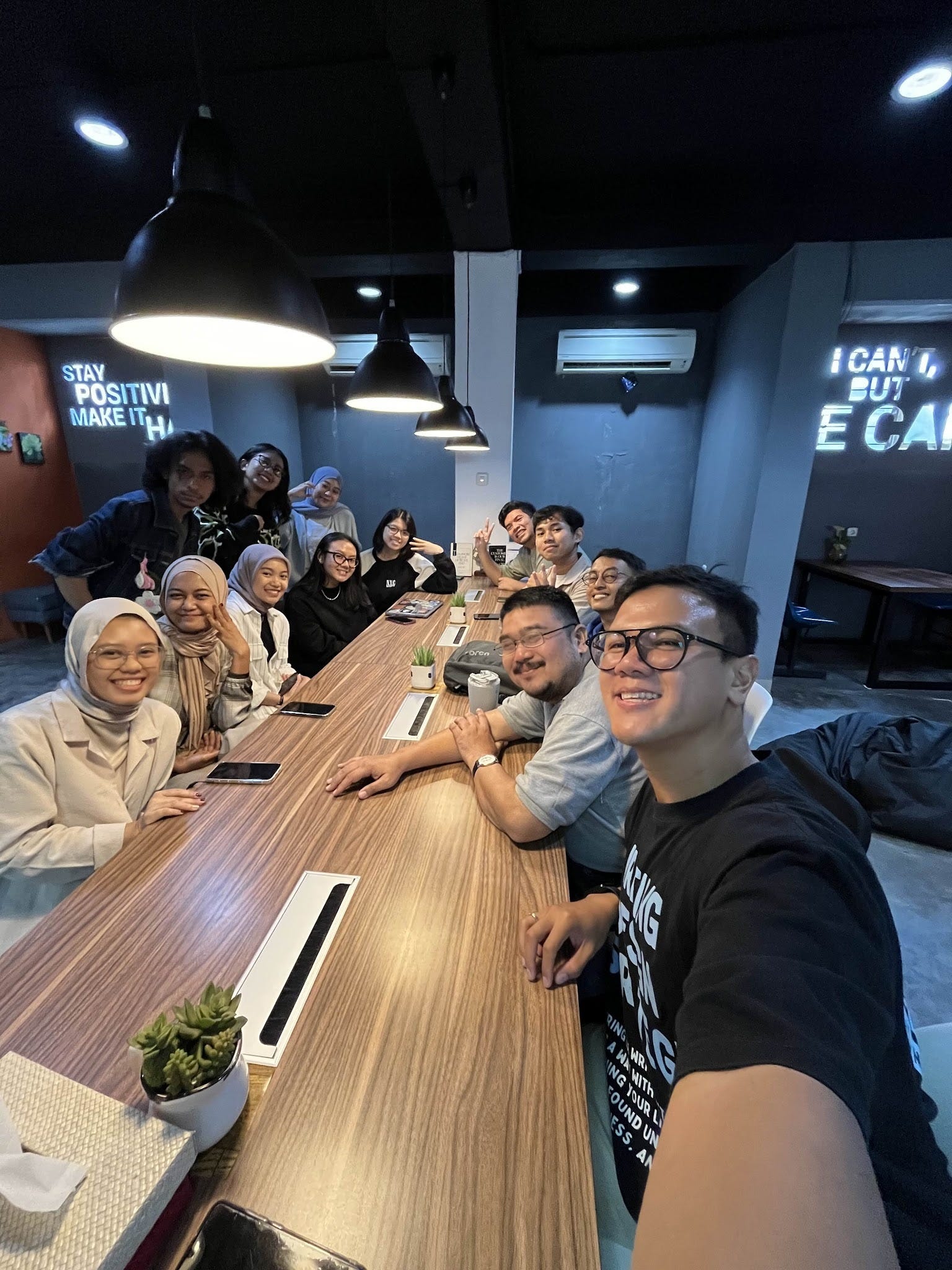
As regular citizens, we may not fully understand every constraint our policymakers face. Decisions made at the national level carry depth and consequences far beyond our basic level of understanding.
But what I do know, and what I hear echoed in stories from friends, colleagues, and strangers online, is the constant ache of speaking up and witnessing how our voices are treated as mere noise.
When thousands of students and workers take to the streets, and the news cycle moves on within 48 hours, it’s hard not to feel like our concerns are treated as a momentary inconvenience rather than a signal of help.
On the surface, it may look like anger, but it’s something closer to exhaustion and grief.
At some point, I realized that waiting for acknowledgement of our frustrations would only be another kind of trap. The only way forward was to stop wondering and start moving, slowly and imperfectly, towards what I could actually control.
For myself, that meant taking the time to review my own spending habits. I decided I had to cut back on two things I genuinely enjoy – buying new books and clothes.
A friend of mine made a simpler, quieter shift. She started cooking at home more, gradually minimizing takeout orders and restaurant visits that had become a default part of her weekends.
What started as a practical decision to save money became something else: a way of reclaiming control over her days when everything outside felt unpredictable.
Another friend found her grounding in a different place with different people. She joined a journaling session where people could gather and share their feelings through words without judgment.
At a time when speaking up publicly felt futile and useless, having a space to process every small thing turned out to be more meaningful than she expected.
These may look like tiny steps. But in the midst of uncertain times, tiny and deliberate choices are the ground we have to stand on. They’re a form of soundless refusal to be drowned out by circumstances outside of our will.
I’ve come to believe that how we carry ourselves through uncertainty matters too. Not because it can fully change the system, but because it changes what the system took from us.
Indonesia’s problems may not be solved by individual resilience alone. But perhaps we can start asking: what kind of people do we want to become in the meantime? How do we carry ourselves through this period of uncertainty, just as generations before us have weathered different storms?
That, I think, is where the real work of staying grounded begins.
Enjoyed today’s article? Follow SEAmplified on Instagram, TikTok, and LinkedIn for more exciting and exclusive content, hit the subscribe button, and tell us how we did in the poll below!
Have a new idea or lead for a story, feedback on our work, or just want to say hi? Email us at hello@seamplified.com.