

#52: Future, Reimagined: How Laos’ Gen Z Is Redefining Work With Purpose
Laos’ next generation is embracing new ambitions—impact, flexibility, and the courage to start differently

Welcome to SEAmplified’s newsletter—where we share inspiring stories for you to rethink the grind & discover your why in Southeast Asia!
Reading time: 7 minutes
💼 Redefining Work

Exploring how Southeast Asian youths are rethinking success and hustles.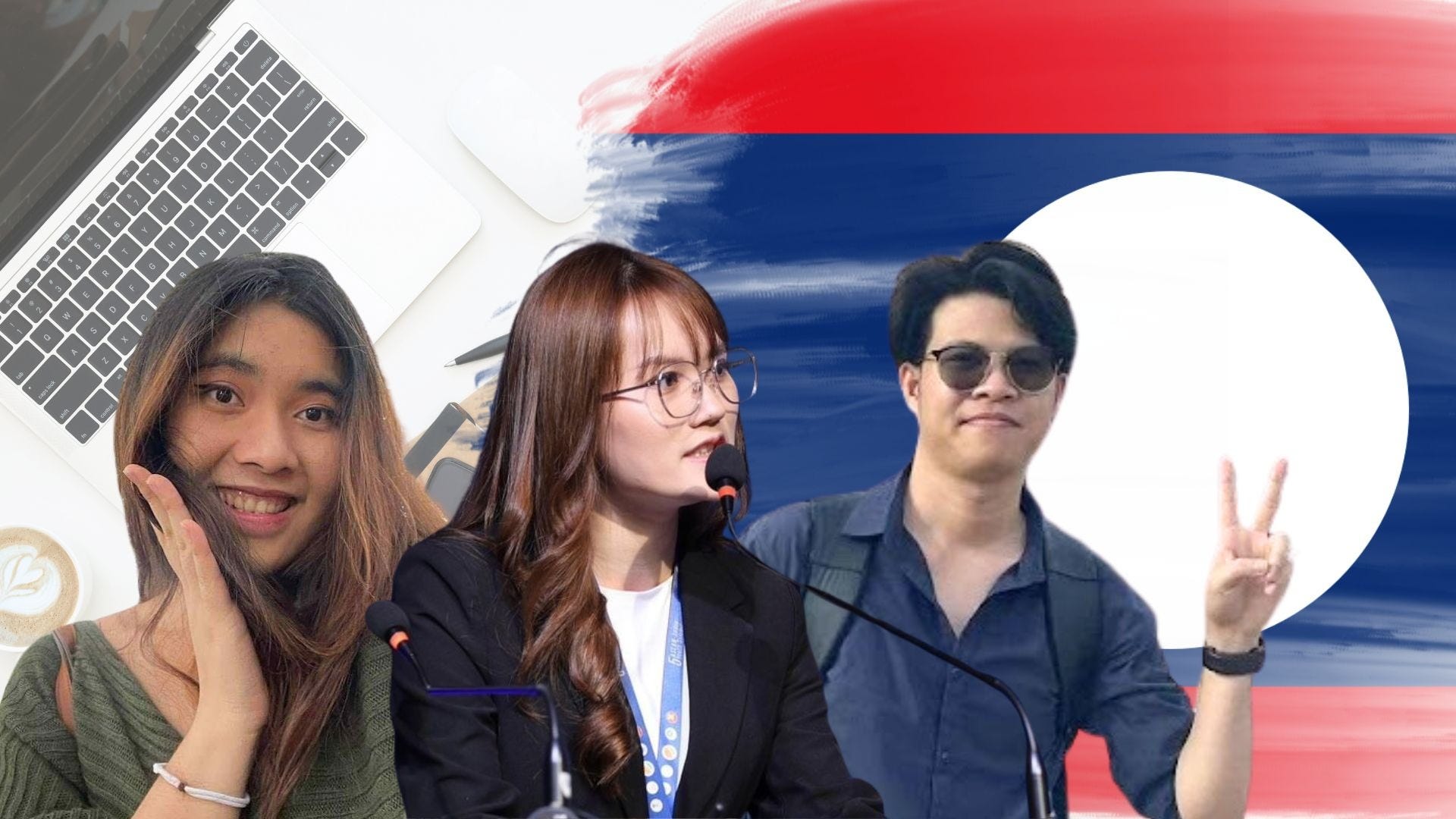
📌 TL;DR

📌 In Laos, youths have long followed parental or familial guidance, inheriting businesses or taking conventional career paths instead of starting from scratch.

📌 Laotian Gen Zs are increasingly pursuing independence, entrepreneurship, and purpose-driven work, challenging longstanding cultural norms.

📌 Marina, William, and Kitty exemplify diverse approaches—focusing on impact, specialization, and emotional intelligence—while balancing passion, practicality, and growth.

📌 While interest in entrepreneurial and leadership roles grows, Laos lacks ecosystems and ethical leadership structures to fully support young innovators, making systemic change crucial for the future.

*TL;DR generated by AI
In Laos, it is common for youths to follow the footsteps of their parents or close relatives when it comes to deciding on a suitable career path. Elders would often advise youths to “follow your Moun Seau” or “follow your heritage” when asked for career advice.
This norm has existed for generations. The first generation would start businesses for later generations to inherit. Second-generation youths would choose to take over them, not because they lack the capability to start one, but because they lack the willingness to start from scratch and go through the hardships that the first generation have been through.
However, as the world becomes more globalized, new narratives have emerged in Laos. More Laotian youths now aspire to be independent. They’re challenging the norms that existed for generations and are seeking to adopt an entrepreneurial spirit.
But I wondered, why are they taking the less-trodden path? I spoke to three unconventional Laotian friends to find out.
Turning Problems Into Impact

Meet Marina Ladavanh Keodala, a social entrepreneur in the environmental advocacy space.
She has always dreamed of working with people across the globe to tackle environmental problems faced by many communities. It was through volunteering that she found her true passion in environmental conservation. Her experience taught her to apply her entrepreneurial skills to turn problems into action through self-inquiries. This led her to create edible cups to promote waste reduction.
When asked about her career aspirations, Marina says that she wants work that gives her the flexibility to work anytime, anywhere. She values roles that involve collaboration with people from all walks of life, as it provides her with fresh perspectives that broaden her horizon. While financial stability is important, what motivates her the most is seeing her work leave a meaningful impact.
Marina also believes that it is important for Gen Zs to have the drive to solve problems and seek solutions. While many budding youths are able to come up with a plethora of promising ideas, they often find it challenging to turn them into reality.
With that, Marina believes that more Laotian youths need to possess a growth mindset that includes being curious, optimistic about learning, and the desire to apply various theories to tackle their proposed problems.
Building Impact From Scratch
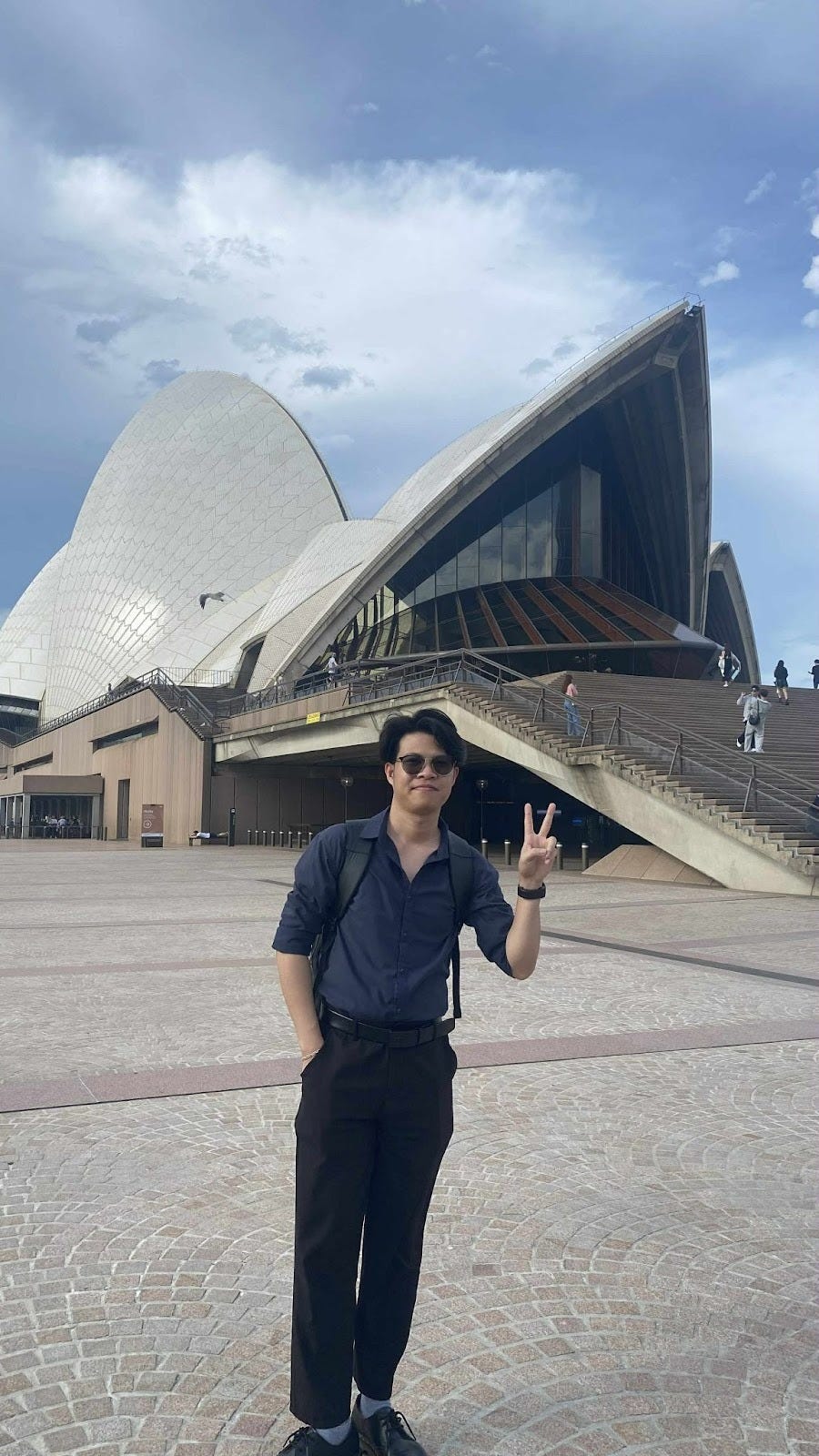
William Bounlieng Phanthapanya is the founder of Startnovation, a company that trains Laotian youths with skills and knowledge to become entrepreneurs.
After completing his Bachelor’s in Business Administration (BBA), William joined a local startup where he got to see how things are run first-hand at a well-established venture. That’s when he learned that a great business owner was once a curious employee.
But it wasn’t until an exchange in the United States that sparked his passion for starting a business.
His parents were divided over his decision. “My mother was shocked when I left my full-time job and doubted me when I initially started working on my business, while my father—who’s also an entrepreneur—understood and provided some guidance,” he says.
William began by self-funding his business for 1.5 years, until investors turned up and joined in as shareholders. Over time, his mother became more supportive of his initiative.
When asked why he decided to become an entrepreneur, William points to three crucial elements—money, reputation, and impact. While people may choose to prioritize one of the three elements differently, William’s focus has been on maximizing the impact in his field.
“In the end, those three elements will eventually cross paths with each other when we get to a certain point,” he says.
William also believes that it is important for entrepreneurs and professionals to be a “specialist” in their field. He feels that aspiring entrepreneurs need to understand the core of the problem they’re trying to solve and be passionate about their field. They need to be consistent as they build the company and be willing to take accountability for their actions. Critical thinking is also crucial for entrepreneurs to succeed, and he believes that people shouldn’t be afraid to ask questions.
When asked how aspiring entrepreneurs can do so, he says, “Start by observing our surroundings, and be open to gain one percent more knowledge than others.”
Balancing Passion With Practicality
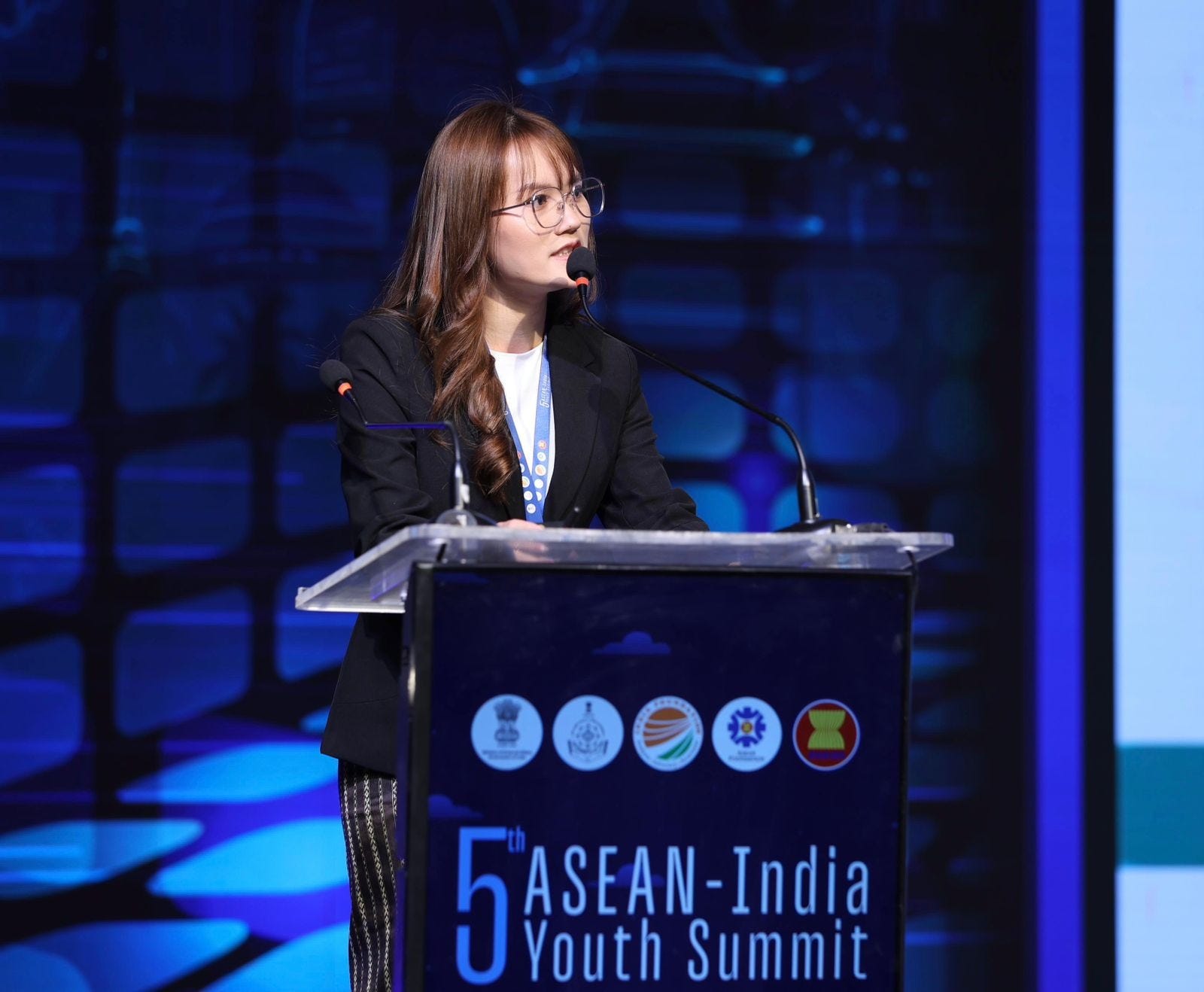
Kitty Sounisa Khammoungkhoun is a jack of all trades. Having pursued a degree in Development Economics, she nurtured a strong passion for social entrepreneurship and international trade. However, she began a career in public health before transitioning into the energy sector.
When asked if her parents and relatives had any influence on her career choices, Katie says that it was not a problem for her. “I arrived from another province and live independently, which means that I have to balance passion with practicality.”
While having a strong passion is beneficial, it is important to take into account the situation that a person is in and whether or not their expectations are realistic. In addition, Kitty also mentioned the importance of financial stability, something that she picked up from her family.
When it comes to her career, Kitty seeks work-life balance and believes that it should align with her aspirations at a particular stage of her life. She would often ask, “What do I need most right now — stability, impact, growth, or the opportunities that I can execute or seize from this work?”
Although one’s priority can shift over time, Kitty believes that it is crucial to be honest about what we want to do and connect them to our core purpose. For instance, she chose to focus on achieving stability while learning, which she believes is the crucial foundation that would naturally lead to more success, recognition, and impact.
Kitty also thinks that having emotional intelligence and the flexibility to wear different leadership hats is crucial, as they can enable one to work with diverse people and ever-changing environments. That said, it is also essential to have the ability to lead yourself and others at the right time. “Wearing different hats here is not about wearing every hat at once, but about knowing which hat suits which moment,” she says.
Emotional intelligence doesn’t solely resonate with empathy but also the competence to hold oneself together during trying times to respond rather than react. It boils down to being consciously compassionate without sacrificing your time and effort.
Building The Future Laos Deserves

The future of work in Laos seems promising. New and defiant narratives such as independence, financial stability, and an entrepreneurial mindset are starting to make their way into the minds of Laotian youths, as seen in Marina, William, and Kitty.
Meanwhile, career preferences are shifting. According to PrepPath’s career assessment database, Lao youths are increasingly drawn to roles that emphasize leadership skills, which are highly sought after by non-governmental organisations (NGOs) and social enterprises.
When I spoke to Marina, she shared that Gen Zs in Laos often fall into three broad categories. First, there are the people-pleasers, who would do anything to fit in and be socially accepted. Next, there are driven ones who constantly find ways to improve their resume and set ambitious goals, such as securing a scholarship. Finally, some want to achieve financial independence. Their main priority is to secure a stable source of income for their family, and they hardly think about long-term self-development opportunities.
While more youths are starting to embrace the entrepreneurial spirit, it is still not widely discussed across Laos. The country lacks proper ecosystems and support structures needed to nurture young innovators, leaving many aspiring youths to figure things out on their own. Traditional expectations persist, with youths giving in to parental pressure by choosing well-paying jobs like business or medicine, even when they don’t align with their interests or lead to fulfilling careers.
This is a huge problem that needs to be solved. Yet change is slowly happening, as more youths recognise the importance of work-life balance, purpose, and financial literacy.
Still, for youth aspirations to flourish meaningfully, more needs to be done at the national level.
Lao youths tend to learn from their leaders. Leaders who act with integrity and responsibility will set a standard that inspires young people to do the same. However, corruption remains a serious challenge, with Laos scoring 33 out of 100 in the Corruption Perceptions Index 2024—one of the lowest in Southeast Asia. If corruption remains prevalent at the top, it becomes easier for youths to believe that cutting corners is acceptable, or even necessary.
If Laos hopes to unlock the potential of its next generation, building a culture of ethical and accountable leadership is essential. Only then can our Gen Zs confidently chart new paths for themselves and the country’s future.
About the writer:
Bart Thiradeth Khamhoung is a Laotian youth with a strong passion for entrepreneurship and economic development. Bart takes pride in connecting Lao youths to the world and vice versa. He aims to put his landlocked motherland on the world map through his writing.
Enjoyed today’s article? Follow SEAmplified on Instagram, TikTok, and LinkedIn for more exciting and exclusive content, hit the subscribe button, and tell us how we did in the poll below!
Have a new idea or lead for a story, feedback on our work, or just want to say hi? Email us at hello@seamplified.com.
 | A guest post by
|